Urban Planning Workshop
Urban Development Workshop Utilizing a Service Design Approach
– Major Urban Development Company –
Date:2025.12 計2回開催
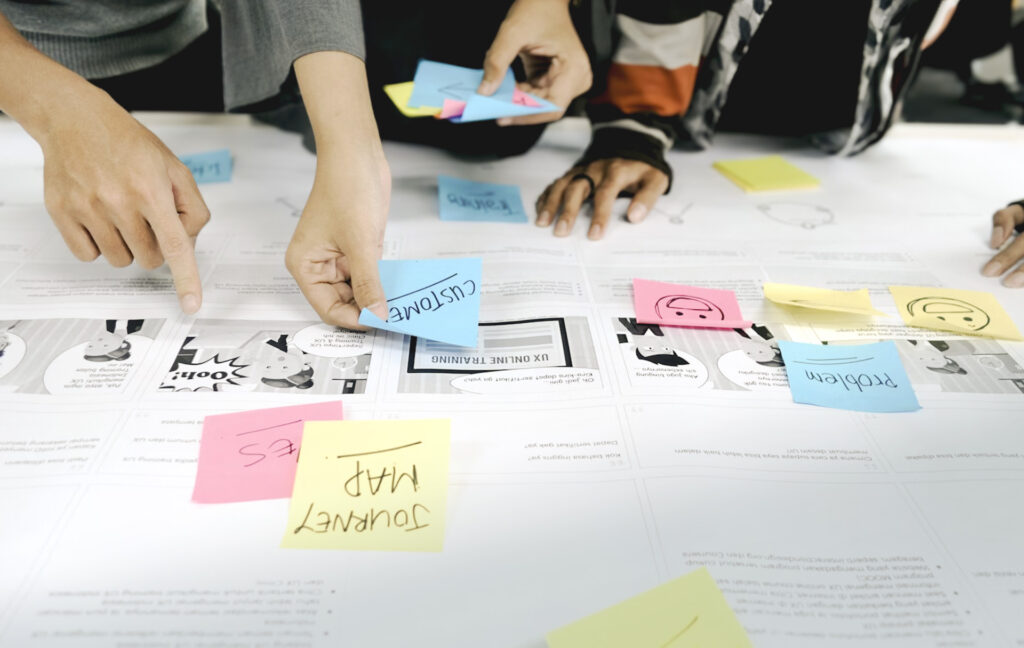
For a large-scale urban development project involving multiple companies, departments, and areas of expertise, Build Vision designed and facilitated a series of workshops based on service design methodologies. The program was created to encourage dialogue across organizational boundaries and enable stakeholders to collaboratively define a shared vision for the future of the development project.
WHY
In Japanese companies, organizational structures are often divided into silos, making it difficult to have open discussions across departments and positions.
As a result, project directions are sometimes determined by existing processes and constraints before sufficient exploration of the underlying concept has taken place.
In this project, the broad theme of urban development involved not only the responsible department but also a wide range of stakeholders, including affiliated companies and public-sector organizations. It was therefore necessary to develop a strong core concept that could serve as a foundation for decision-making and gain the support of all parties involved.
FOCUS
Based on service design methodologies widely used in Europe, we developed a proprietary framework focused on the core challenges of this project.
While grounded in established methodologies, the framework was fully customized to address the specific issues at hand. This enabled participants to contribute their perspectives naturally and encouraged constructive and forward-looking discussions within a limited timeframe.
One of Build Vision’s strengths is its ability to learn from advanced methodologies developed in Europe while adapting and optimizing them for the unique needs of each project.
PROCESS
• Sharing project objectives and process
• Workshop design and planning
• Participant communication and coordination
• Workshop facilitation
• Reporting and analysis
OUTCOME
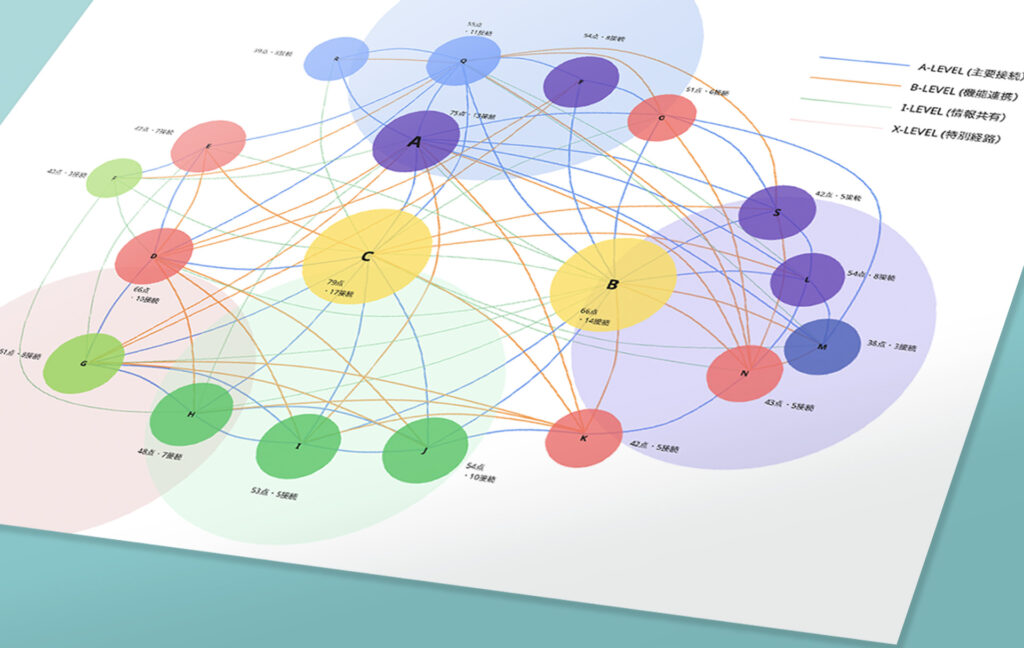
Two workshops using different frameworks were conducted on separate occasions.
As a result, perspectives that had previously been overlooked, as well as differences in understanding and expectations among participants, became visible. These insights were organized as important elements that directly informed future decision-making and concept development, providing a foundation for moving the project forward.